

 Tiếng Việt
Coffee Knowledge
Culi Robusta Coffee Beans: Bold Vietnamese Coffee For Strong Taste Lovers
Dec
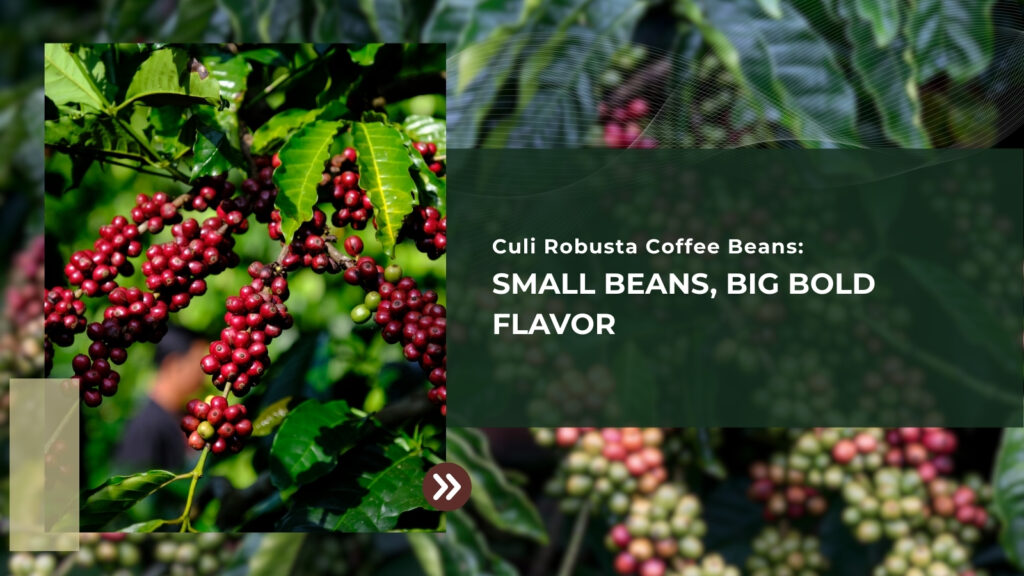
On the global coffee map, Culi Robusta coffee beans (Robusta peaberries) always spark curiosity. They account for only a small share of total production, yet they are highly sought after by roasters, coffee shops, and consumers who love a strong, full-bodied cup.
For B2B buyers, understanding what makes Culi Robusta special is essential for building the right product strategy. MeTrang Export supplies stable, traceable Culi Robusta green coffee, tailored for higher value-added roast lines.
What are Culi Robusta coffee beans?
Culi Robusta refers to the rare peaberry-shaped beans found on Robusta trees, prized for their concentrated structure and bold character.
What is Culi coffee?
Culi coffee is not a separate variety or species. It is a natural mutation that can appear on both Arabica and Robusta coffee trees.
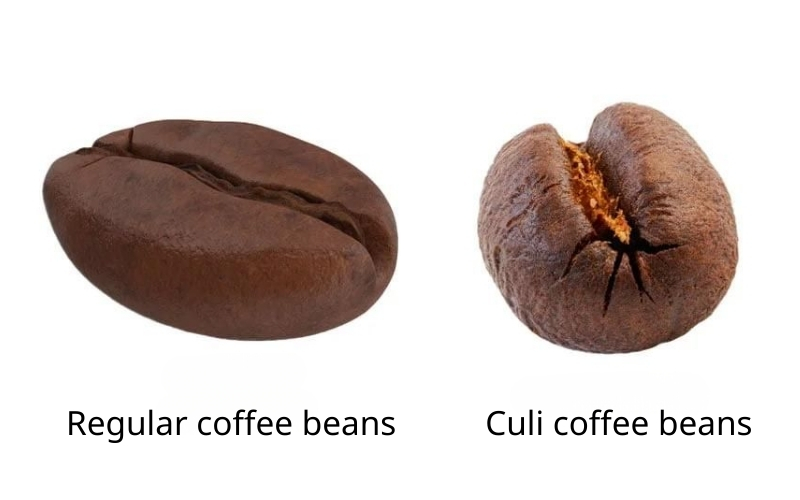
Under normal conditions, each coffee cherry contains two seeds that grow side by side, creating the familiar flat-sided beans with a straight groove down the middle. However, in a small percentage of cherries, only one seed develops. This single seed grows into a rounder, fuller bean called Culi (peaberry).
How is Culi Robusta different from regular Robusta coffee beans?
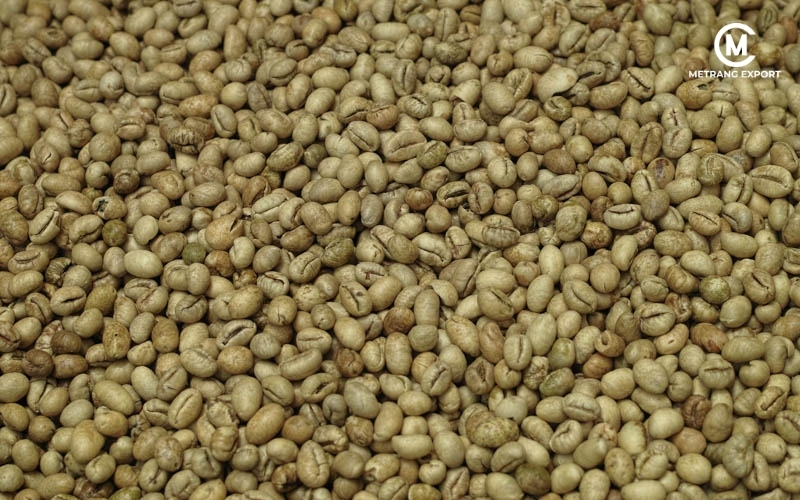
Culi Robusta coffee beans are Culi beans selected from Robusta trees, then hulled, screened, and separated into a distinct lot. Compared with regular Robusta coffee beans from the same farm and process, Culi Robusta:
- Bean appearance: rounder and fuller, with a less visible or slightly off-center groove compared with typical flat Robusta beans.
- Roast sensory profile: ideal for strong-taste drinkers, especially in phin or espresso preparations.
How rare are Culi Robusta coffee beans?
On most farms, Culi beans make up only around 5% of total cherries. This means not every Robusta lot has enough Culi to be separated into its own product unless there is a planned sorting program from the beginning.
Because of this natural limitation, maintaining a stable supply of Culi Robusta green coffee requires exporters to be proactive in sourcing regions, purchasing plans, and sorting processes. With its established network and long-term experience, MeTrang Export can select and supply Culi Robusta coffee beans according to the specific specifications of each B2B buyer.
==>> See also: Vietnamese Green Coffee Beans: Quality, Potential And B2B Import Opportunities
How to identify Culi Robusta coffee beans
Correctly identifying Culi Robusta helps roasters and buyers avoid confusion with defective or other round beans.
Bean shape and structure of Culi Robusta
From a morphological point of view, Culi Robusta coffee beans are relatively easy to recognize:
- Round, full shape: when viewed from above, the beans are more uniformly round and plump.
- Off-center or faint groove: instead of a straight groove in the middle, the groove on Culi Robusta is often thin, curved, off-center, or almost disappears.
- Consistent size within the Culi lot: once Culi beans have been separated by screening, their size within a lot tends to be quite uniform.
Characteristic aroma of Culi Robusta
The aroma of Culi Robusta is influenced by region, processing, and roast level. In good-quality green coffee and an appropriate roast profile:
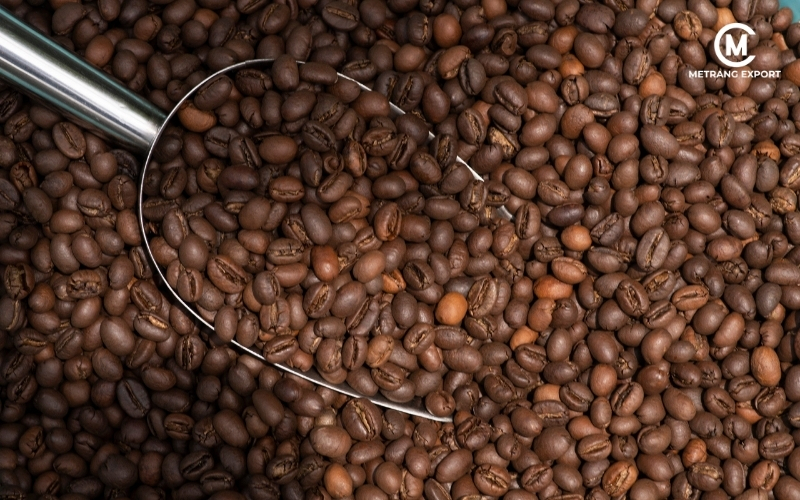
- Strong, dark-roast coffee aroma
- Toasted grain, cocoa, and dark chocolate impressions
- Occasional hints of wood or spice, particularly at medium–dark roast levels
At medium-dark roasts, Culi Robusta typically produces a powerful, straightforward aroma, well-suited as a base for espresso, Vietnamese iced milk coffee, or traditional phin coffee.
Flavor and mouthfeel in a Culi Robusta cup
In the cup, Culi Robusta often provides a noticeably different experience from regular Robusta coffee beans:
- Very thick body with a heavy, weighty presence on the palate
- Pronounced, lingering bitterness, appealing to those accustomed to strong, robust coffee or recipes with plenty of milk and sugar
- Low acidity, leaning more toward a deep, bitter, long-finish profile than a bright, acidic one
Because of these characteristics, Culi Robusta is commonly chosen for:
- Vietnamese phin coffee and iced milk coffee, aimed at customers who enjoy traditional bold flavors
- Espresso blends that need extra “kick” and body while keeping costs under control
Price, sourcing, and storage of Culi Robusta coffee beans
For B2B buyers, choosing the right partner and setting clear technical standards is just as critical as the price itself.
How does Culi Robusta pricing compare to other coffees?
In general, the price of Culi Robusta tends to:
- Be slightly higher than regular Robusta coffee beans, reflecting the extra sorting work and the naturally lower proportion of Culi beans.
- Remain lower or more competitive than many Arabica or Culi Arabica lines, making it attractive for brands that want to optimize cost while still offering a distinctive, bold product.
In B2B export, Culi Robusta pricing is usually negotiated based on:
- Technical specifications: screen size, defect tolerance, moisture, processing method,….
- Volumes and delivery conditions: Incoterms, shipping schedule, number of containers, and contract duration.
- Associated services: certificates of analysis (COA), quality documentation, origin traceability,…
MeTrang Export can provide tailored price quotations for Culi Robusta green coffee based on each buyer’s detailed spec, while also advising on the best balance between quality and cost.
How to select quality Culi Robusta coffee beans
When sourcing Culi Robusta, brands and roasters should define a basic checklist of criteria:
- Uniform beans with minimal foreign matter: visually inspect samples to check for consistency in size, color, and shape.
- Low defect rate: limit the proportion of black, broken, moldy, over-fermented, or insect-damaged beans.
- Correct moisture level: typically around 10-13% for green coffee, ensuring stability during shipping and storage.
- Clear origin and processing information: knowing the growing region, processor, and processing method helps predict likely flavor profiles.
For every Culi Robusta lot, MeTrang Export provides a complete quality dossier, making it easier for partners to evaluate, approve, and control raw materials.
Best practices for storing Culi Robusta coffee beans
Whether green or roasted, Culi Robusta coffee beans must be stored correctly to preserve their intense flavor profile.
| For Culi Robusta green coffee | For roasted Culi Robusta |
|
|
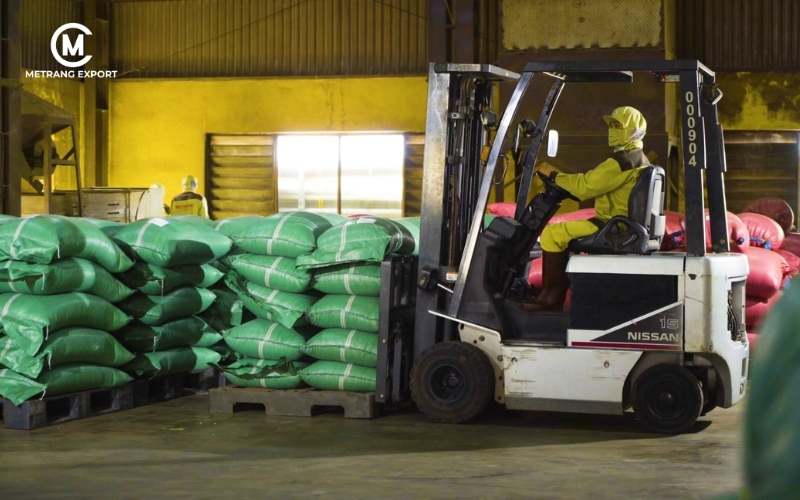
In the B2B export chain, Metrang Export pays special attention to the storage of Culi Robusta green coffee before loading containers, helping to minimize the risk of moisture damage and quality loss during transit.
The role of Culi Robusta coffee beans in Vietnam and worldwide
Culi Robusta holds the potential to become a distinctive product in international markets when positioned correctly.
==>> See also: Green coffee: A critical foundation in your roasting strategy
Culi Robusta and Vietnam’s bold coffee culture
In Vietnam, a preference for strong, full-bodied, high-caffeine coffee has long been part of everyday life, strongly associated with the image of the small phin filter and a glass of iced milk coffee. With its dense body and clear bitterness, Culi Robusta is not just another type of bean; it is closely tied to the experience of sipping a small, aromatic, lingering cup slowly over conversation or work.
Culi Robusta in international coffee trends
In global coffee circles, Culi Robusta coffee beans are being re-evaluated. Alongside Arabica specialty coffees, more and more roasters and brands are:
- Experimenting with fine Robusta, specialty Robusta, and variations like Culi Robusta to create new flavor profiles.
- Building stories around the origin, region, variety, and processing of Robusta, instead of seeing it only as a cheap, bitter ingredient.
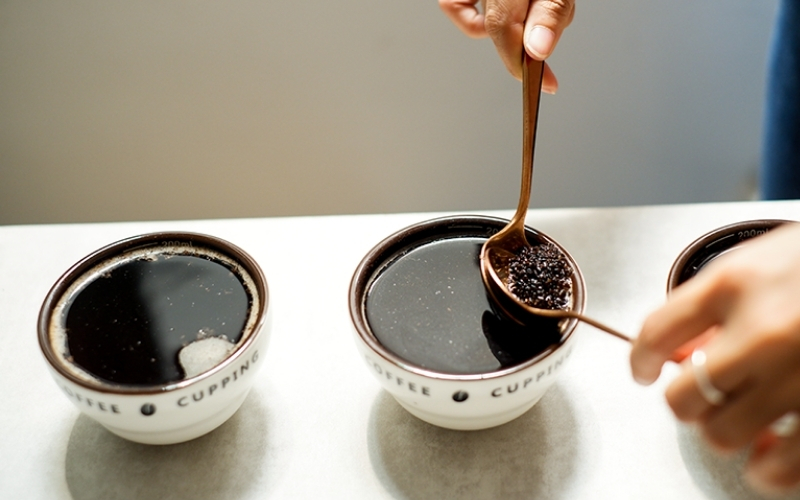
Metrang Export and the journey of Vietnamese Culi Robusta coffee beans
With many years in the coffee industry and its role as the official export arm of Mê Trang Coffee, Metrang Export is steadily bringing Vietnamese Culi Robusta coffee beans to international partners by:
- Selecting Culi Robusta green coffee from key Robusta-growing regions, meeting defined criteria for screen size, defect levels, and moisture.
- Combining physical inspection, sensory evaluation, and quality documentation for every lot, according to customer requirements.
- Advising roasters and B2B buyers on how to apply Culi Robusta coffee beans in blends or stand-alone product lines that fit their target markets.
Conclusion
Culi Robusta is a fascinating slice of the coffee world. With a green-coffee supply chain controlled from farm to container, MeTrang Export is ready to support brands in developing Culi Robusta coffee beans and strong-taste blends that satisfy coffee lovers while maintaining economic efficiency.
Contact MeTrang Export today to discuss Culi Robusta specifications, cupping samples, and long-term sourcing plans for your brand.
FAQ
- Are Culi Robusta coffee beans a separate coffee variety?
No. Culi Robusta is not a separate species or variety. It is the Culi form of Robusta coffee beans, selected from Robusta trees. Culi beans appear when a cherry develops only one seed instead of two.
- Are Culi Robusta coffee beans stronger than regular coffee?
Culi Robusta usually feels stronger because of its thick body, intense flavor, and the naturally high caffeine content of Robusta coffee beans.
- Are Culi Robusta coffee beans suitable for daily drinking?
That depends on each person’s habits and tolerance to caffeine. For those who are used to strong, high-caffeine coffee, Culi Robusta can be an exciting daily choice. Still, it is wise to consider the amount consumed and the time of day, especially for people sensitive to caffeine.
- How is Culi Robusta different from Culi Arabica?
Both Culi Robusta and Culi Arabica are peaberries, but they come from different species. In general:
- Culi Robusta: bold, clearly bitter, very full-bodied, low acidity; well-suited to strong-taste profiles.
- Culi Arabica: often more complex in aroma with higher acidity; suitable for specialty or filter-style coffees.
