

Container-scale procurement leaves zero margin for guesswork. When analyzing arabica vs robusta beans, cupping scores only reveal half the operational picture. The true test happens inside your industrial roasting drum. Heat transfer speeds shift. Extraction yields fluctuate. Factory margins hang in the balance.
Commercial grinders jam when bean density varies. Espresso pucks channel unevenly. Flavor consistency breaks down across production runs.
Securing reliable green inventory requires mapping out how these two botanical species behave under industrial stress. Moisture stability, screen retention, and cellular density must align with your roasting equipment before contracts are signed. As a direct-origin exporter with 25+ years of processing heritage, Me Trang Export controls physical grading across both species to supply global roasters with stable, export-ready raw material.

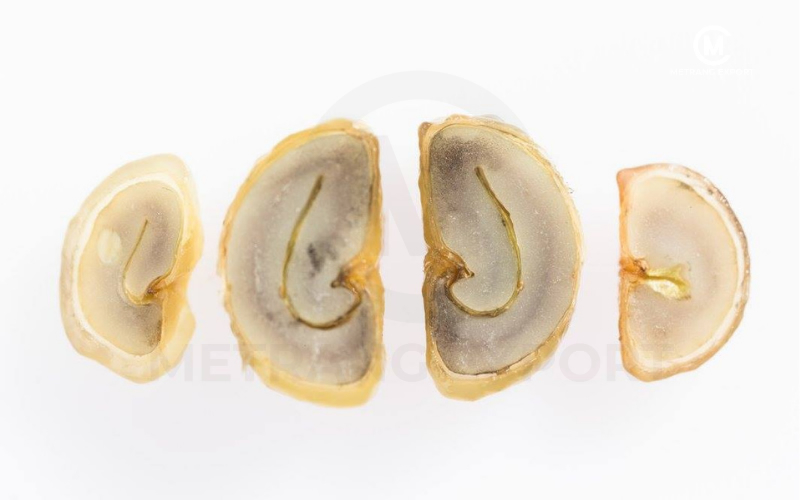
Agronomy and Cellular Structure: Origin Realities
Genetics dictate physical performance. You cannot subject fragile high-altitude lots to the same thermal curve as dense, low-elevation stock. Understanding the agronomic differences between arabica vs robusta beans prevents costly roast defects on your factory floor.
High-Altitude Washed Arabica
Arabica thrives in cool, misty microclimates. Our stock originates from the 1,400 to 1,600-meter elevations of Cau Dat in Lam Dong province. Slower cherry maturation builds complex organic acids and higher sucrose levels, but leaves the cellular walls more porous. We apply full washed processing to strip away mucilage cleanly before bed drying. Because this unroasted stock is less dense, it requires controlled heat application to prevent scorching or early bean fracturing.
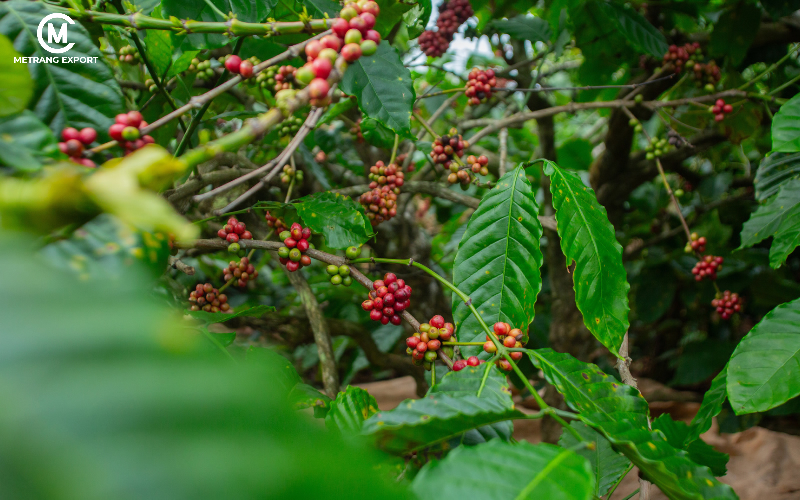
Low-Elevation Fine Robusta
Robusta develops extreme structural resilience. Grown at 500 to 800 meters in the mineral-dense basalt soils of Buon Ma Thuot, Dak Lak, these trees produce compact, high-density raw material. These unroasted lots carry higher soluble mass and resist physical breakage during 3 to 6 weeks of ocean transit. When loaded into industrial drums, Buon Ma Thuot Robusta absorbs aggressive thermal charges without hollowing out.
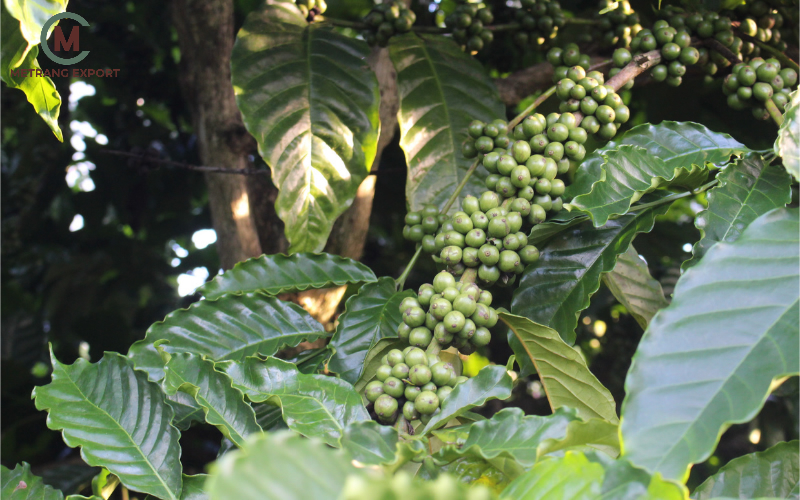
Chemical Composition and Roast Dynamics
Heat transfer relies entirely on internal bean chemistry. Comparing arabica vs robusta beans exposes major disparities in lipid volume, sugar concentration, and caffeine content that dictate your gas pressure and drop temperatures.
Commercial Green Coffee Specification Comparison
| Specification / Parameter | Buon Ma Thuot Robusta (Dry Process / Fine) | Cau Dat Arabica (Full Washed) |
| Growing Elevation | 500 – 800 meters | 1,400 – 1,600 meters |
| Cellular Structure | Compact, high density, resists thermal fracture | More porous, requires controlled heat curves |
| Optimal Moisture | 10.0% – 12.5% | 10.0% – 12.0% |
| Standard Screen Size | Screen 18 (7.1mm) / Screen 16 (6.3mm) | Screen 18 (7.1mm) / Screen 16 (6.3mm) |
| Lipid (Fat) Volume | ~8% – 10% (Slower thermal conductivity) | ~15% – 17% (Accelerated heat transfer) |
| Caffeine Content | ~2.2% – 2.7% | ~1.2% – 1.5% |
| Commercial Function | Heavy body, persistent crema, dark chocolate notes, margin stability | Vibrant acidity, floral aroma, natural sweetness, aromatic complexity |
Processing and Physical Grading Standards
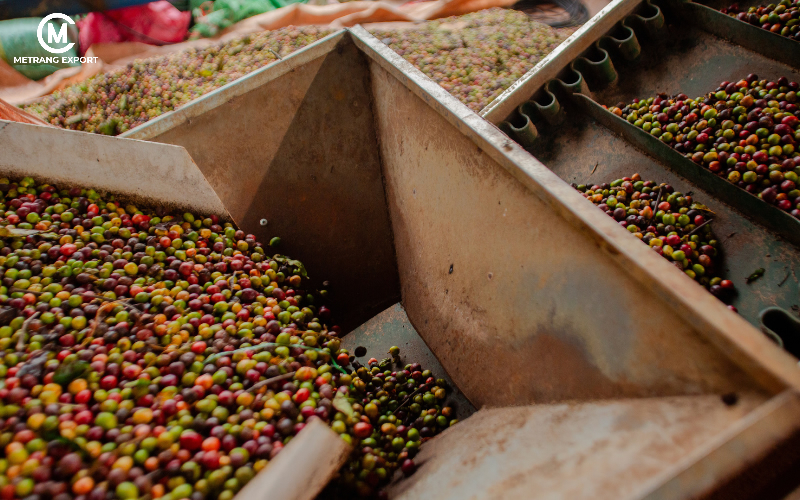
Raw agricultural harvests vary wildly until mechanical sorting brings order to the lot. Regardless of species, commercial roasters must demand rigid physical tolerances before executing bulk contracts.
-
Moisture Stabilization (10.0% – 12.5%): We lock water activity inside this strict range. Lots below 10% scorch rapidly in the drum, leaving baked cup profiles. Lots above 12.5% absorb heat unevenly and risk mold development inside humid ocean containers.
-
Screen Uniformity (Screen 16 / Screen 18): Industrial grinders demand consistent particle sizing. Mixed bean sizes create erratic roast development—small beans turn to ash while large beans stay under-developed. We grade inventory to 90%+ retention on primary screens.
-
Grade 1 Defect Compliance: Black beans, sour beans, and pod husks ruin extraction clarity. Primary defects must be eliminated at origin so your finished blends maintain clean soluble extraction and stable shelf life.
Export Warehousing and Maritime Logistics
High-grade raw material dies in poor transit. Multi-week voyages across shifting oceanic climates threaten moisture stability. Partnering directly with Me Trang Export protects your supply chain from origin mill to destination port.
Operating as the official export arm of Me Trang Coffee, we bring 25+ years of processing and international trade expertise to commercial buyers. Our central consolidation hub sits directly inside Song Than 3 Industrial Park in Binh Duong province. This location places our bulk inventory minutes from Vietnam’s primary deep-water terminals: Ho Chi Minh City (Cat Lai) and Ba Ria – Vung Tau (Cai Mep).
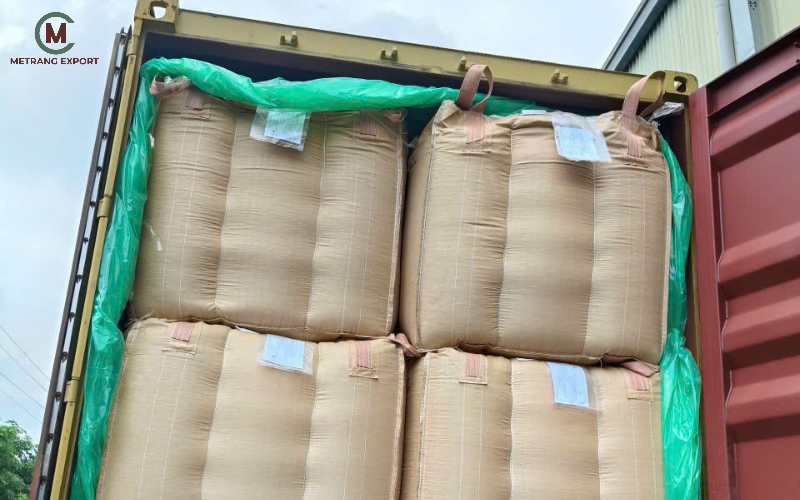
We cut local trucking delays, execute rapid container stuffing, and handle both full container loads (FCL) and consolidated volume orders. Buyers can specify traditional 60kg jute bags or hermetically sealed GrainPro inner liners to stop moisture migration during sea freight.
Browse our wholesale green coffee beans catalog to check technical datasheets for Buon Ma Thuot Robusta, Fine Robusta, and Cau Dat Arabica. You can also verify our processing infrastructure by reviewing our company background and export capabilities.
Secure Your Commercial Green Coffee Supply
Formulating profitable blends requires mastering the physical balance of arabica vs robusta beans. Lock in strictly graded, export-ready Vietnamese origins backed by 25+ years of processing heritage to protect your roast consistency and factory margins.
Ready to test our physical grading on your roasting line? Submit your RFQ or request representative samples by reaching out to our export logistics team today.