

 Tiếng Việt
Coffee Knowledge, Me Trang Activities
Green Bean Coffee: Processing and Quality Control for the B2B Market
Dec
In the B2B export world, buyers talk about green bean coffee only in terms of screen size, moisture, and defect count. But behind those numbers is a deeper question: How was this coffee processed before it ever reached the container?
For roasters, understanding the link between processing methods, quality indicators, and market requirements is key to choosing the right origin and partner. MeTrang Export provides transparent information on processing and can flexibly design green coffee solutions to match the needs of roasters and coffee brands.
What is green bean coffee, and why does processing define its quality?
A good processing flow gives roasters a wider roasting window and makes it easier to maintain a stable flavor profile over time.
What is green bean coffee?
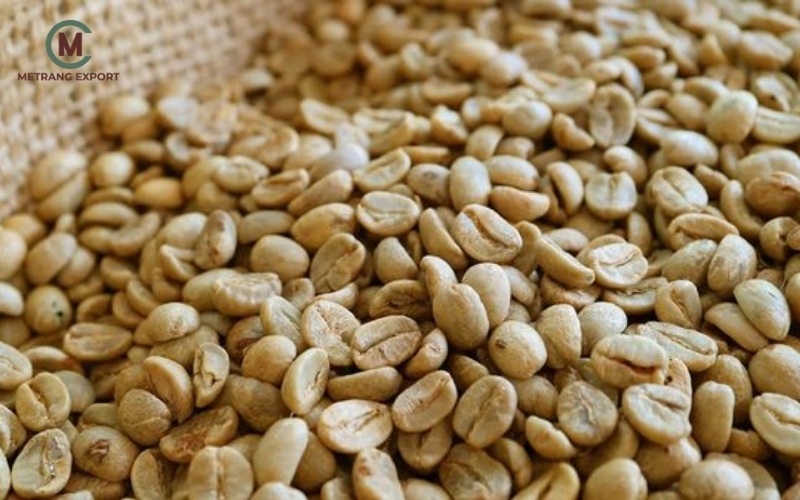
Green bean coffee is coffee that has been processed, hulled, and dried to a target moisture range, but has not yet been roasted. This is the form in which roasters and B2B buyers interact with coffee the most.
At the green stage, every lot of coffee carries a map of flavor potential largely defined beforehand by variety, origin, and, especially, the way it was processed.
Why does processing decide the quality of green bean coffee?
Processing is everything that happens from the moment ripe cherries are picked off the tree until they become dry, hulled green beans. This is the phase where quality can diverge dramatically.
- Reduce defects such as black beans, moldy beans, over-fermented beans, broken beans, and insect damage.
- Deliver safe, stable moisture levels (typically around 10-13%) that protect the coffee during storage and international shipping.
- Shape the balance between sweetness, acidity, and aroma by controlling how long the mucilage stays on the bean, how fermentation is handled, and how drying is managed.
For B2B buyers, evaluating processing is therefore just as important as checking physical specs or cup score.
Processing methods that create quality green bean coffee
Each processing method leaves a different fingerprint on the structure and flavor of green bean coffee.
Washed processing: clean, stable green bean coffee
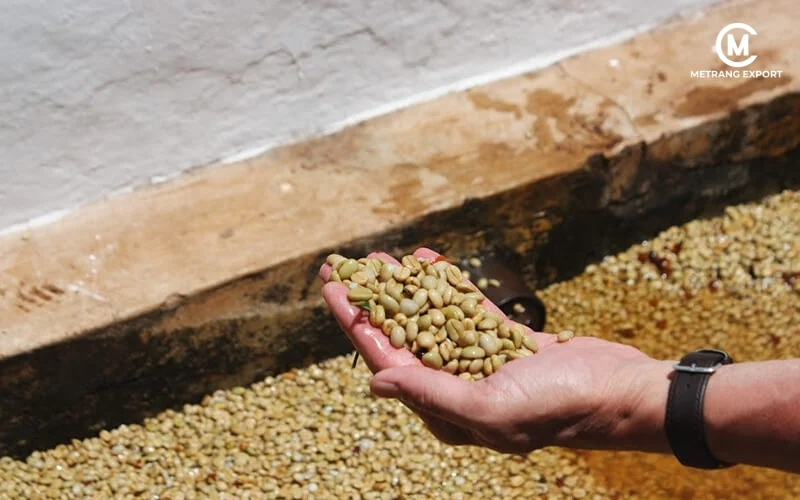
Washed processing is a method in which ripe cherries are depulped, most of the mucilage is removed with water, the beans are then fermented under controlled conditions, washed clean, and finally dried.
- High cleanliness: Controlled fermentation and intensive washing reduce the risk of unwanted fermentation and unpleasant flavors.
- Bright acidity and clarity: Washed green bean coffee tends to deliver a clean, easy-to-read cup profile.
- Standardization potential: With proper infrastructure for water use, fermentation tanks, and drying, washed processing can be replicated more consistently from lot to lot.
In B2B trade, many buyers prefer washed green bean coffee because it is easier to predict the cup profile and control quality. Through its network of processing partners, MeTrang Export can select and recommend full-washed lots that match each brand’s target roast profiles and market segments.
Natural processing: flavor personality and deep sweetness
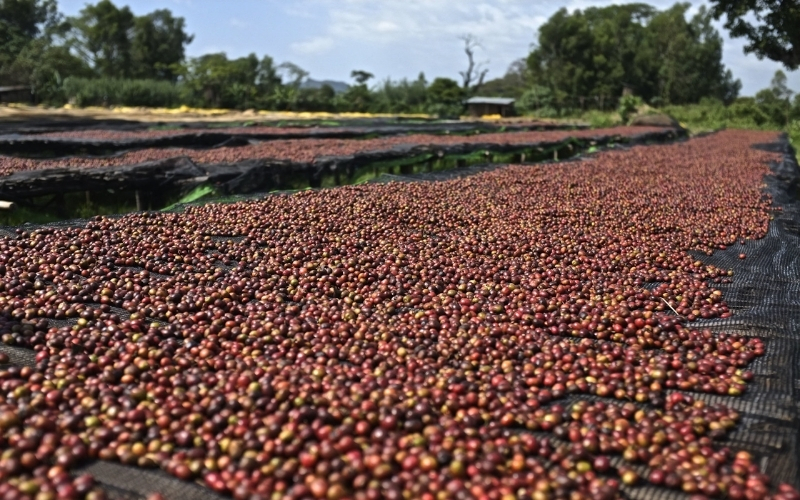
Natural processing is a method where whole coffee cherries are dried intact until they reach the target moisture level, after which they are hulled to obtain green bean coffee.
- Retains more sugars and aromatic compounds in the skin and mucilage during drying, often resulting in riper fruit notes, deeper sweetness, and sometimes wine-like or jammy character.
- Enhance body and roundness, delivering a fuller, heavier mouthfeel in many roast profiles.
- Carry a higher risk of off-flavors if drying is not tightly controlled, such as moldy, musty, over-fermented, earthy, or dirty notes.
When partnering with MeTrang Export, buyers can rely on a curated selection of natural green bean coffee that meets agreed quality thresholds and is accompanied by clear physical and cupping information.
Honey processing: a balance between clean and sweet
In many green bean coffee portfolios, honey-processed lots are chosen by roasters for segments that want a balance between cleanliness and enhanced sweetness/body compared with classic washed coffees.
- Harvesting and pulping: Selecting ripe cherries and running them through a pulper to remove skin and most of the fruit flesh.
- Mucilage retention: Intentionally keeping part of the mucilage attached to the beans instead of washing it off completely, as in washed processing.
- Controlled drying: Spreading the beans with mucilage on patios or raised beds, turning them regularly, and managing bed thickness so the mucilage dries gradually on the bean surface, contributing to sweetness, aroma, and sometimes a slightly darker appearance of the green beans.
Unlike natural processing, honey does not dry whole cherries. It combines some of the sugar advantages of naturals with the cleaner, more controllable aspects of washed coffee.
How processing impacts export-grade green bean coffee standards
At the export level, processing is reflected in the quality parameters that B2B buyers use to assess a shipment.
Quality indicators that reflect green bean coffee processing
For lots supplied by MeTrang Export, quality information is standardized into a dedicated profile for each shipment.
- Moisture content: Shows whether the coffee has been dried and stored correctly. Excessive moisture increases the risk of mold, unwanted fermentation, and condensation in warehouses or containers.
- Defect count: Reveals how well harvest, processing, drying, and sorting have been managed. Lower defects generally indicate better control at the origin.
- Screen size and density: Relate to cherry selection, growing conditions, and, to some degree, drying practices. They also influence roasting behavior.
- Cupping results: Provide the final say on processing quality, reflecting cleanliness, sweetness, acidity, body, and aftertaste in the cup.

Different segment requirements in the green bean coffee market
Each market segment and final product category prioritizes different criteria:
- Mass-market and instant coffee: Focus on volume, stability, and competitive pricing, with a slightly wider tolerance for cup variation, but still strict food-safety requirements.
- Higher-quality roasted coffee and specialty: Emphasize cleanliness, profile consistency, and traceability, often requesting detailed descriptions of processing methods.
- Highly regulated markets: Demand additional documentation on certifications, mold toxins, residue limits, and other compliance factors, beyond standard sensory quality.
In practice, there is no single universal standard for green bean coffee. Instead, it is a combination of market regulations, product positioning, and origin processing capabilities.
Vietnamese green bean coffee: processing advantages and supply potential
Vietnam has a diverse ecosystem of growing regions and processing models. This allows B2B buyers to build multiple product configurations from a single origin.
Scale and the ability to standardize processing
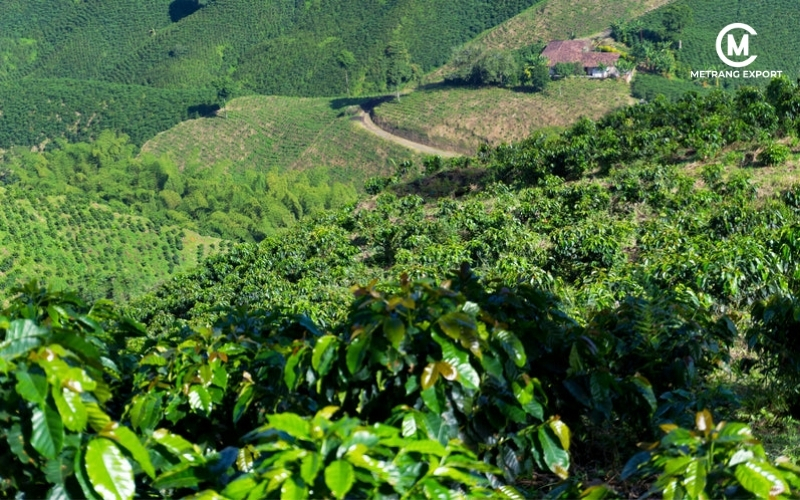
With roughly 700,000 hectares of coffee, mainly in the Central Highlands, and an annual production estimated at 1.8-1.9 million tons of green bean coffee, Vietnam maintains its position as the second-largest coffee exporter in the world.
- Stable supply across seasons: Large planted area and long experience in cultivation support relatively steady volumes, suitable for partners with long-term purchasing plans.
- Multiple quality tiers: From commercial grades for high-volume markets to carefully processed and selected lots for higher segments, Vietnam can serve a wide range of roaster and B2B buyer requirements.
Opportunities when working directly with Vietnamese green bean coffee sources
By working directly with exporters in Vietnam, B2B buyers can:
- Customize processing requirements: Choose processing method, defect limits, moisture range, screen size, and more.
- Reduce intermediaries: This often leads to better cost optimization and faster response times when specifications need to be adjusted.
- Build long-term supply linked to specific origins: Associating a brand with certain regions or farms supports storytelling around origin and quality.
With its raw-material network and export experience, MeTrang Export acts as a bridge between B2B buyers and Vietnamese coffee-growing regions.
Processing and quality control at MeTrang Export
As the official export brand of Me Trang Coffee, MeTrang Export has built a structured way of working with growing regions and a robust quality-control system to ensure that every lot of green bean coffee meets the expectations of the B2B market.
MeTrang Export and its green bean coffee origin network
MeTrang Export works with:
- Farmers, cooperatives, and processors in key coffee-growing areas prioritize regions with favorable natural conditions and a clear commitment to quality improvement.
- Partners that can implement and maintain agreed processing protocols, from picking ripe cherries through drying and storage.
This enables MeTrang Export to build a diverse green bean coffee portfolio by variety, origin, processing method, and quality level.
Quality-control system for green bean coffee
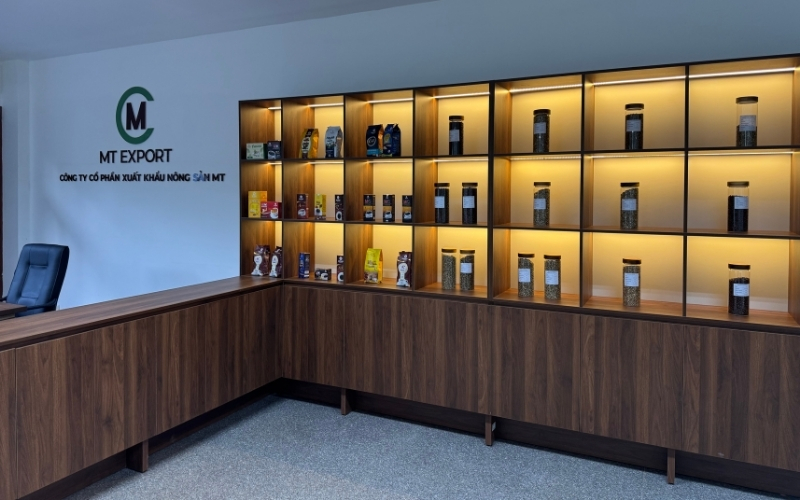
The quality-control flow at MeTrang Export typically includes:
- Physical checks: Measuring moisture, classifying screen size, assessing defect rates, bean color, and green-bean odor.
- Sensory evaluation (cupping): Cupping each lot or representative samples to check cleanliness, sweetness, acidity, body, and aftertaste.
- Transparent quality documentation: Providing test results, certificates of analysis (when requested), and clear information on origin and processing method for B2B buyers.
Conclusion
Processing is the first decisive step in defining the quality of green bean coffee from cleanliness, sweetness, and acidity to roast behavior and lot consistency. For roasters and B2B buyers, understanding how processing connects to measurable quality indicators and market requirements is essential for choosing the right raw materials and partners.
With deep industry experience and a structured approach to working with origins, MeTrang Export offers B2B partners Vietnamese green bean coffee with diverse processing options, transparent quality, and flexible specifications for different markets. Contact us today for a sample!
