


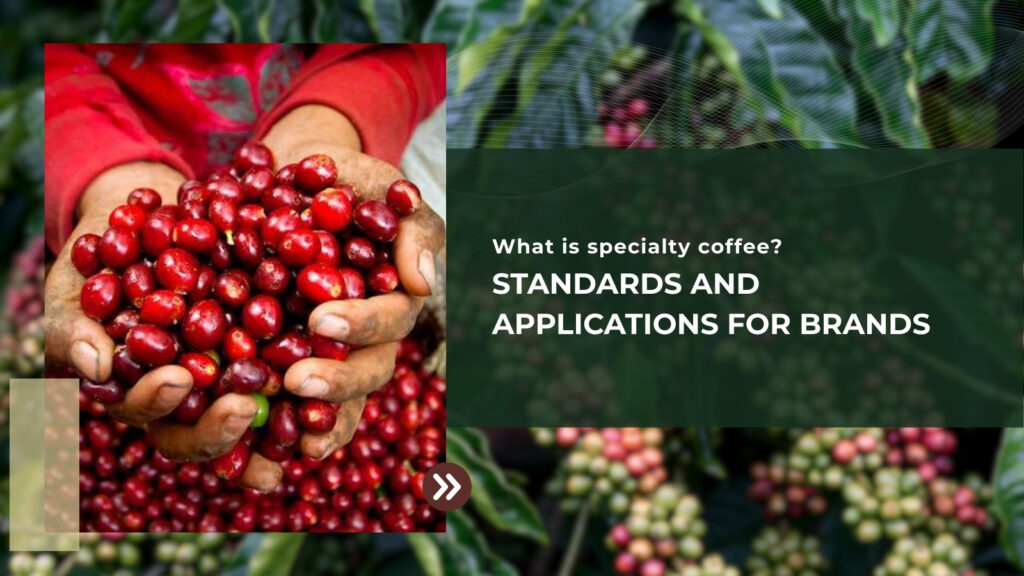
The term specialty coffee now appears everywhere, from café menus to social media, so it is easy to assume it simply means expensive coffee or a premium upgrade of commercial beans. In reality, specialty is first and foremost a quality and transparency standard, not a trend label. It also shapes how brands price, train staff, build menus, and communicate value to customers clearly.
In this guide, MeTrang Export helps roasters and F&B brands distinguish specialty coffee from commercial coffee using an industry lens, so decisions are based on product strategy, operations, and customer experience rather than buzzwords.

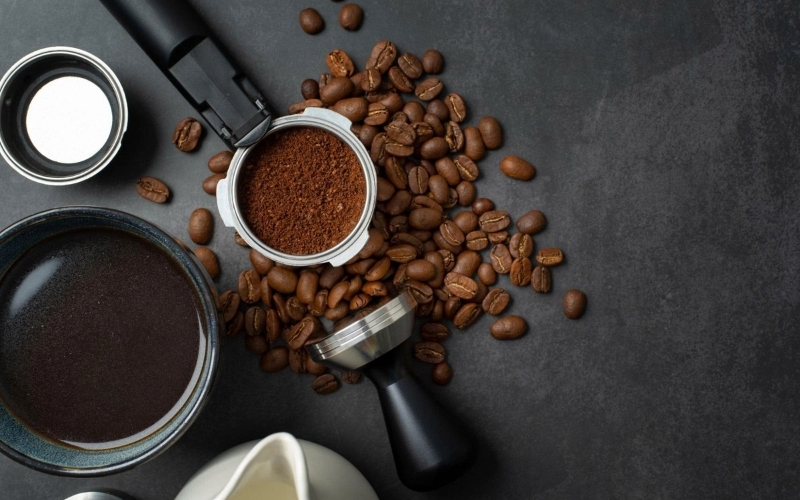
Specialty coffee vs commercial coffee: what’s the real difference?
Specialty and commercial coffee serve different goals. The key question is not “Which is better?” but what story and experience your brand wants to deliver and how much control you can maintain across sourcing, roasting, and brewing.
What is specialty coffee in the industry sense?
Within the coffee industry, specialty coffee has a relatively clear definition.
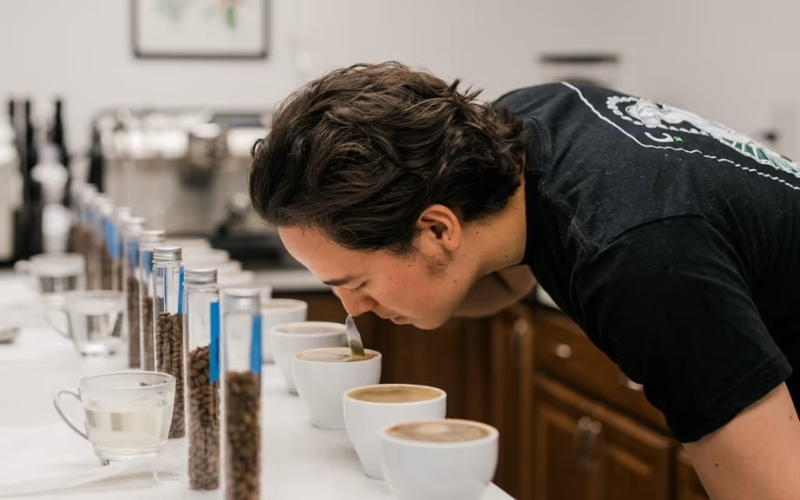
- Under the Specialty Coffee Association (SCA) cupping protocol, a coffee is generally considered specialty when it scores 80 points or higher on a 100-point scale. Scores are evaluated by trained professionals (often Q Graders) across sensory categories such as fragrance/aroma, flavor, aftertaste, acidity, body, balance, sweetness, and cup cleanliness.
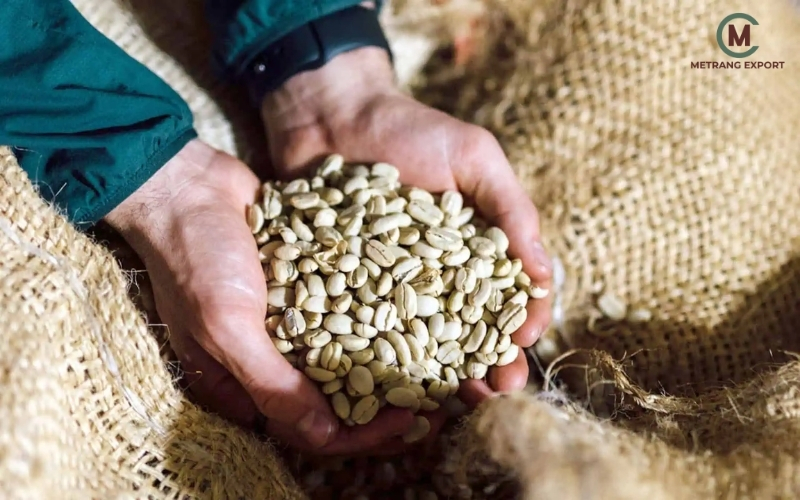
- Specialty is also tied to green-bean quality. In a typical 350g green sample, specialty standards require zero primary defects and only a limited number of secondary defects, because defects often become bitterness, astringency, or off-notes in the cup.
Most importantly, specialty coffee is not created at the roasting stage. It is the result of a managed chain – from cultivar selection and farming to harvesting ripeness, green-bean quality control, processing, storage, roasting, and brewing. If one link is neglected, specialty-level quality is hard to protect consistently.

The core differences between specialty and commercial coffee
Instead of “high-end vs mass”, it is more useful to view them as two roles in a product portfolio.
| Criteria | Specialty coffee | Commercial coffee |
| Primary goal | Sensory experience: clean cup, clear flavors, depth, and origin character | Stability, cost efficiency, and scalability |
| Role in a product system | Signature items, limited releases, experience-driven menus | House blends, espresso bases for chains, and consistent profiles (RTD/instant) |
| Operational and QC requirements | Strong QC: cupping, roast freshness tracking, disciplined extraction control | Steady supply, blend-friendly lots, long-term contract stability |
For brands balancing experience with cost control, understanding Vietnam’s strategic advantage in Robusta helps clarify why commercial coffee plays a vital role in long-term operations.
How is specialty coffee evaluated?
To make standards easier to use, MeTrang Export groups evaluation into three practical areas: cupping score, defects and physical metrics, and traceability.
Cupping score: how to interpret SCA scores
The SCA scoring system uses a 0-100 scale, and coffees must reach 80 or higher to be considered specialty coffee. The total score is the combined result of several sensory dimensions – aroma, flavor, aftertaste, acidity, body, balance, sweetness, and cleanliness.
- 80-84: Very Good
- 85-89: Excellent
- 90+: Outstanding
For brands, the score should be viewed as a technical quality threshold. Whether a coffee is right depends more on the flavor profile and beverage format.
Green defects and physical metrics: key quality indicators
To qualify as specialty coffee, a green-bean sample must be exceptionally clean. Defects such as black beans, moldy beans, insect damage, severe breakage, or damaged fermentation can cause harsh bitterness, earthy taints, or unpleasant aromas. Beyond defects, buyers often request physical indicators that protect consistency:
- Moisture content: commonly targeted around 10-13% for safer storage
- Screen size/uniformity: supports more even roasting and repeatability
Even if your brand chooses commercial coffee for most volume, asking for defects and physical specs is a practical way to protect quality and reduce operational surprises.
Traceability – the profile behind the specialty coffee
A specialty coffee is not only scored, but it should also come with a clear identity file that supports transparency and storytelling. Typical traceability elements include:
- Country and region (sometimes farm or cooperative)
- Variety/cultivar
- Altitude (masl)
- Harvest season/crop year
- Processing method (washed, natural, honey, controlled fermentation, etc.)
- Lot ID or lot code (especially important for B2B volumes)
Traceability supports both quality control (lot-to-lot tracking) and marketing content that customers can trust.
Specialty coffee: the differentiator that sets brands apart
Specialty coffee can be a powerful differentiator, not because it commands a higher price, but because it delivers deeper customer experiences and clearer brand positioning.
Brand positioning: what specialty coffee communicates about your brand
Specialty coffee can be seen as a language your brand uses to communicate its values, so customers clearly understand your standards and what you consistently deliver.
- Craft and precision: This signals the care your team applies from sourcing through roasting to brewing.
- Transparency and trust: This demonstrates your brand’s commitment to communicating origin, variety, processing method, and crop year with clarity.
- Deeper experience: This creates a more immersive journey, where tasting notes and staff training help customers explore each cup.
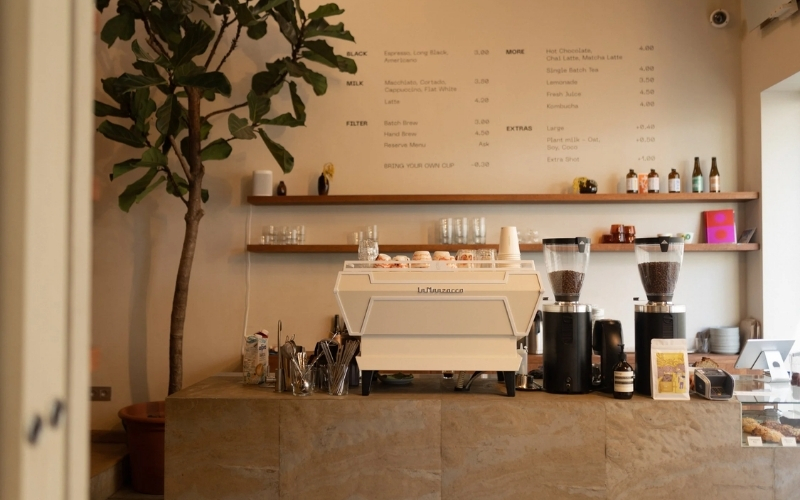
Elevating campaigns with specialty coffee
Beyond long-term positioning, specialty coffee is especially useful when a brand designs campaigns around harvest seasons or the story of a growing region – giving customers a clear reason to return and try new flavors. When a coffee comes with a well-defined story, your brand can develop content, in-store experiences, and online engagement around one consistent theme. On that foundation, specialty coffee offers many flexible ways to integrate with marketing activities, both short-term and long-term.
B2B sourcing: choosing between specialty coffee and commercial coffee
From an operations perspective, this is not a right or wrong question. This is a prioritization exercise between experience and positioning versus cost and supply stability.
Prioritizing experience-led brand positioning: specialty coffee
Specialty coffee suits brands that want to create a distinctive signature, especially craft coffee cafés, roasters building a quality-led reputation, or chains launching a reserve/specialty line to elevate the customer experience.
However, specialty coffee may not be the right choice if a brand’s primary business objective is to reduce cost-in-cup, if the operation does not yet have stable quality control across roasting, storage, and extraction, or if the business lacks a communications plan strong enough to tell the story behind the beans. Without these foundations, the added value of specialty can be difficult to realize.
Prioritizing supply stability and cost optimization, contact MeTrang Export
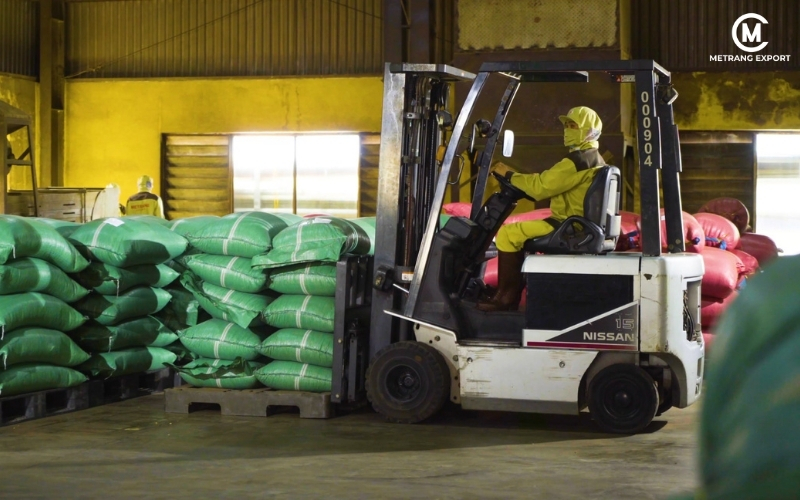
Across most product lines, especially house blends, milk-based drinks, iced coffee, RTD, and instant brands typically need a stable source of commercial-grade Robusta green coffee that is easy to roast and scale. This is where good-quality commercial coffee and the right B2B partner play a decisive role.
MeTrang Export is the official export brand of Me Trang Coffee, specializing in supplying green coffee (particularly in the commercial segment) to international B2B customers. With years of experience exporting green coffee, MeTrang Export can support roasters and F&B brands in designing blends, selecting specifications (moisture/defect/screen size), and building a long-term supply plan.
Conclusion
Specialty coffee is not simply expensive coffee. It is the outcome of clear standards and a carefully managed value chain from farm to cup. For brands, specialty coffee supports positioning, storytelling, and deeper flavor experiences, while high-quality commercial coffee provides a stable foundation for scale and cost control.
When these two are combined thoughtfully and supported by a B2B partner like MeTrang Export, brands can build signature experiences while maintaining sustainable operations.