

 Tiếng Việt
Coffee Knowledge, Exhibition & Export, Green Coffee Beans
Best Coffee Beans: Exploring the Origins Behind the World’s Most Exceptional Coffees
Aug
An inquiry among ten industry experts regarding what defines the best coffee beans will rarely yield a consensus, a divergence that underscores the true complexity of the global market. Exceptional coffee is never the product of a fixed formula; rather, it represents a distinct expression of specific terroirs, microclimates, and the precise craftsmanship applied throughout the supply chain.
This guide from MeTrang Export analyzes four of the world’s most influential coffee origins – Ethiopia, Colombia, Brazil, and Vietnam – examining how each region establishes its own benchmark of quality and earns a definitive place in commercial procurement.
Best coffee beans are shaped by origin, climate, and coffee traditions
Understanding the fundamental principles that contribute to flavor differentiation is critical when sourcing the best coffee beans. These environmental and operational variables drive quality consistency throughout the global supply chain.
Why do the best coffee beans begin with terroir and craftsmanship?
Terroir, which includes soil, altitude, and microclimate, sets the standard for producing green coffee beans. Exceptional roasting cannot make up for poor growing circumstances, nor can premium terroir be achieved without perfect post-harvest processing.
- Soil composition: Volcanic and mineral-rich soils found in Ethiopian highlands and Colombian slopes give the trace elements that contribute to cup complexity and sweetness.
- Altitude and maturation: Higher elevations prolong the cherry ripening cycle, allowing sugars and organic acids to concentrate, resulting in the layered profiles anticipated of the greatest coffee beans.
- Processing precision: The post-harvest options (washed, natural, or honey) decide whether the crop’s genetic and environmental potential is fully preserved or degraded.
How does origin create distinct flavor profiles around the world?
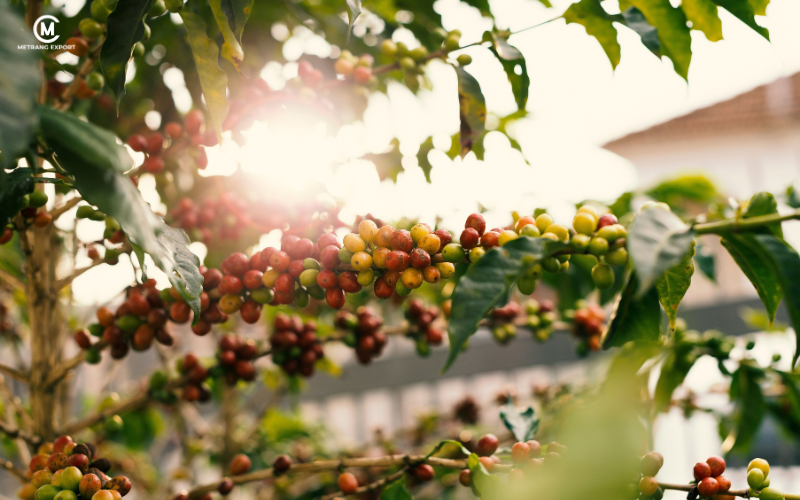
Regional taste diversity is the direct result of how genetics, climate, and traditional agricultural practices interact within specific geographic boundaries to form the best coffee beans.
- Genetic variety: Regions with high varietal diversity, such as Ethiopia’s heirloom cultivars, naturally produce a wider range of flavor profiles than homogeneous commercial monocultures.
- Climate, acidity, and body: Cooler, higher-altitude conditions promote brilliant acidity and delicate notes, whereas warmer, lower-altitude surroundings produce a heavier body and lower acidity.
- Regional signatures: Standardized regional processing procedures define market identity, such as natural drying in Ethiopia, washed processing in Colombia, and new processing frameworks that transform the best coffee beans in Vietnam.
Best coffee beans from Ethiopia showcase the birthplace of coffee
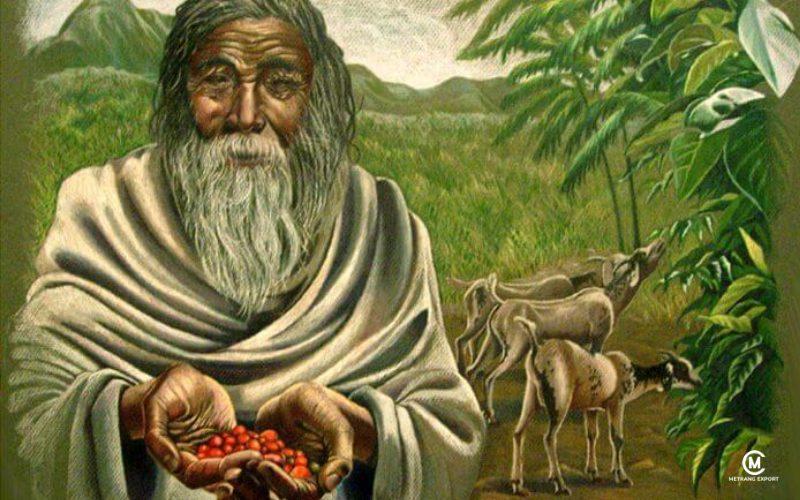
Ethiopia, the botanical birthplace of Coffea arabica, remains an indispensable origin for premium global sourcing, with a centuries-long history of cultivation.
Why are Ethiopian coffees considered among the best coffee beans?
Ethiopia’s market dominance rests on an irreplaceable genetic and ecological foundation. It’s thousands of wild, indigenous heirloom varieties that directly drive the production of the best coffee beans:
- Terroir complexity: Cultivation at 1,100-2,300 meters on volcanic slopes extends the ripening cycle, yielding bright acidity and deeply layered sweetness.
- Quality-driven sourcing: Because heirloom varieties are uncategorized, buyers evaluate the best coffee beans by regional cupping scores rather than uniform commercial branding.
- Preserved heritage: The smallholder model maintains historical farming practices, offering the global supply chain an unaltered link to coffee’s genetic origins.
The legendary regions behind Ethiopia’s coffee reputation
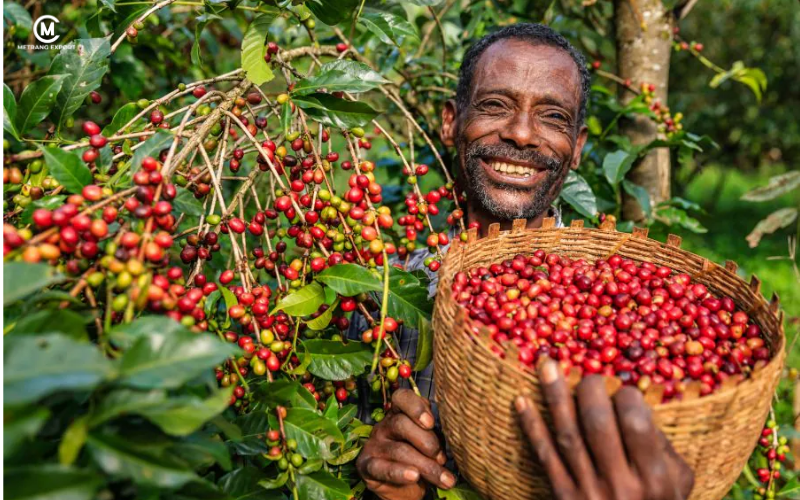
Ethiopian outputs have various sensory characteristics due to regional microclimates. Three distinct locations determine the standards for the best coffee beans in the world:
- Yirgacheffe: Renowned for washed lots grown at 1,700 to 2,200 meters, delivering tea-like clarity, intense floral aromatics, and refined sweetness.
- Sidamo: Elevated at 1,500 to 2,200 meters, this cool, humid southern region yields the best coffee beans characterized by crisp citric acidity and vibrant berry notes.
- Harar: Situated in the arid eastern highlands (1,400 to 2,000 meters), this region utilizes traditional natural processing to produce distinctively fruit-forward, wine-like flavor profiles.
Best coffee beans from Colombia and Brazil built the global coffee culture
Colombia and Brazil define global B2B coffee trading maturity, but Ethiopia is the botanical origin. Despite using very diverse production methods, these South American behemoths collectively influence what the market considers to be classic coffee.
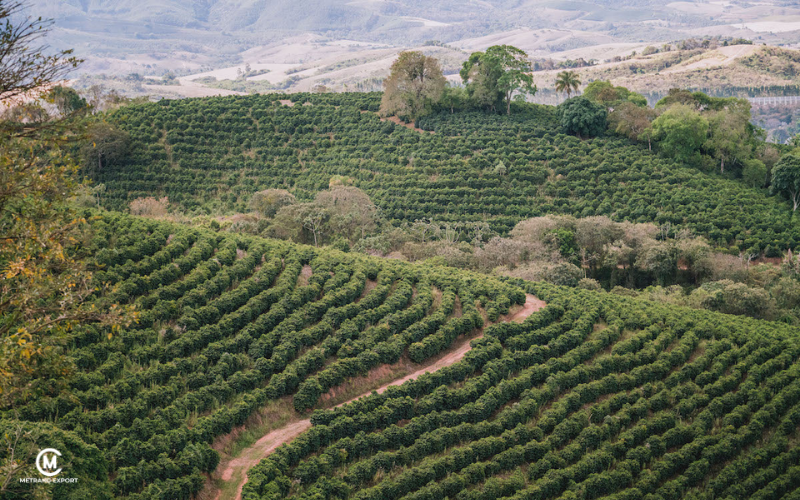
How do the best coffee beans from Colombia deliver balance and brightness?
Colombia is a major source for premium sourcing because of its reputation for unparalleled consistency and structural balance. The smooth, well-rounded flavor characteristics typical of the best coffee beans are produced by its volcanic soil, steady rainfall, and distinct elevation:
- Small-scale quality control: More than 500,000 family-owned farms with an average size of 2.5 hectares power production throughout the Andean Coffee Triangle, allowing for careful, hand-picked harvesting.
- Diversity of regional flavors: While Antioquia produces lighter, citrus flavors, Huila produces full-bodied, complex lots under a single, reliable national character.
- Clarity through processing: Careful washing greatly improves flavor brightness and clarity, setting Colombian products apart from dry-processed substitutes.
Why Brazil became the benchmark for classic coffee profiles?
Massive size, industrial uniformity, and a fundamental flavor character that establishes international blending standards are the reasons behind Brazil’s market dominance. Brazil continues to be the world’s top supplier of the best coffee beans in terms of commercial volume, with an emphasis on increased agricultural efficiency:
- Approachable sensory profiles: Brazilian beans are distinguished by their substantial body, smooth finish, and lower acidity, providing a very stable foundation for espresso recipes around the world.
- Rich taste profiles: Naturally processed lots have a strong chocolate, hazelnut, and caramel component, which makes them perfect for everyday use in both traditional and commercial settings.
- Dominance of the supply chain: Due to their industrial size, Brazilian beans provide a vital base, ensuring global coffee supply chain excellence throughout the year.
Best coffee beans from Vietnam are redefining quality expectations
Vietnam was praised for its volume for many years. Today, as the nation becomes a thriving center for unique quality and specialty innovation, that story is gloriously changing.
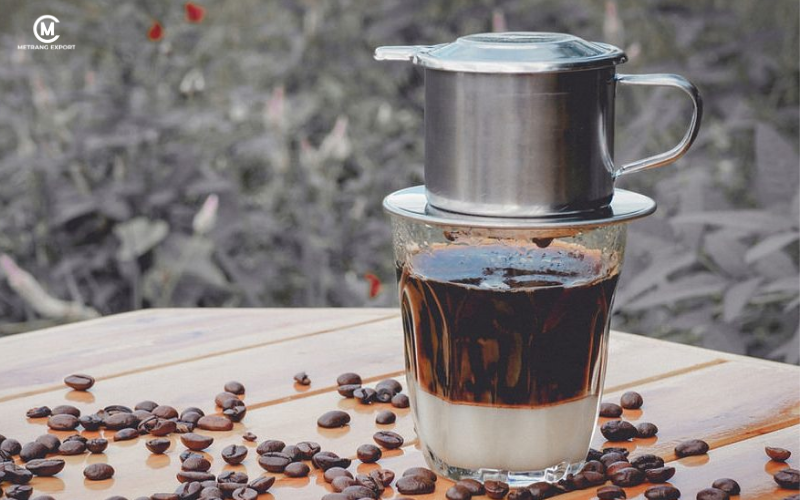
Why are the best coffee beans from Vietnam gaining global recognition?
Vietnam is effectively converting its heritage into a premium-grade origin, supported by international validation, as the world’s top producer of Vietnamese Robusta coffee beans:
- Global quality honors: These beans may produce world-class complexity, as seen by recent international acclaim, such as Vietnamese Fine Robusta receiving Gold at the Global Coffee Awards 2025 in Houston.
- Strategic climate resilience: Robusta’s inherent resilience makes Vietnam an essential, sustainable partner for obtaining the best coffee beans as climate change affects farms worldwide.
How Vietnamese fine robusta is changing the future of coffee?
A delightful trend toward quality-driven farming, where careful harvesting and creative processing unveil a whole new flavor spectrum, is reflected in the growth of Fine Robusta:
- Innovations in processing: Modern processing methods like Robusta Natural green coffee and anaerobic fermentation are opening up a wide range of characteristics, significantly increasing quality.
- Different regional terroirs: From high-quality Fine Robusta in Buon Ma Thuot to the elegant, high-altitude Arabica of Cau Dat and Son La, buyers can now discover unique qualities
Operating from the heart of Buon Ma Thuot, MeTrang Export proudly bridges this evolution by supplying both high-volume commercial grades and exceptional specialty lots. Whether your brand requires reliable components for industrial blending or innovative flavor profiles, we are dedicated to bringing the best coffee beans of Vietnam straight to your global supply chain.
Conclusion
The world’s best coffee beans emerge from the perfect alignment of terroir, climate, and human craftsmanship. From Ethiopia’s genetic diversity and Colombia’s structural balance to Brazil’s global scale, each origin serves a distinct strategic purpose. Today, Vietnam is redefining the market, proving that Fine Robusta can achieve quality benchmarks once reserved exclusively for premium Arabica.
For B2B buyers, leveraging these unique origin profiles is key to optimizing blend composition and building long-term supply chain resilience. Contact MeTrang Export today to explore Vietnam’s evolving portfolio and secure the best coffee beans for your brand.
