


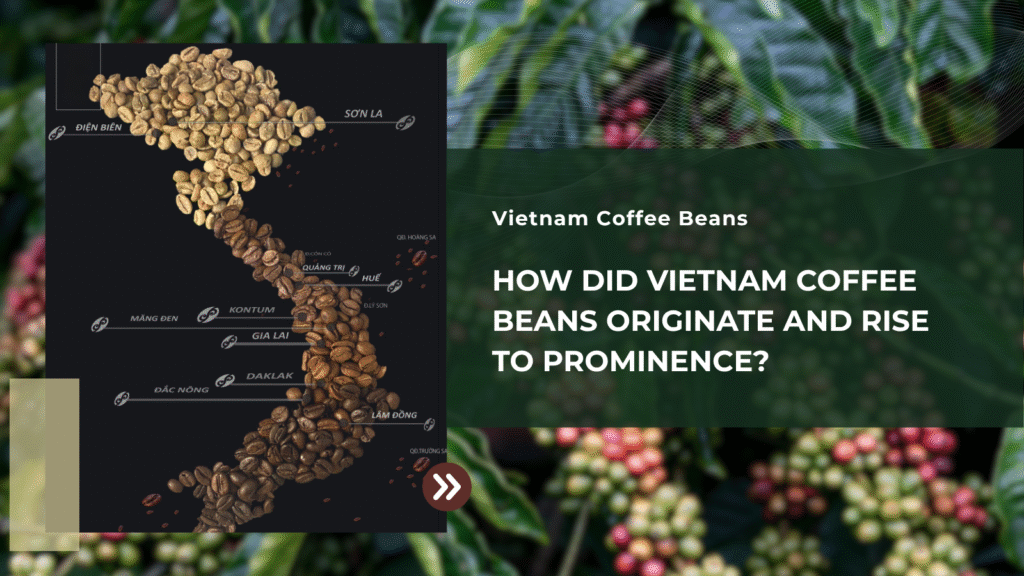
Few realize that the multi-billion-dollar export icon of Vietnamese agriculture originated from foreign seeds introduced back in 1857. Over a 160-year history, Vietnam coffee beans have not only adapted flawlessly to the local terroir but have also evolved into a strategic raw material on the global trading floor.
Join MeTrang Export to explore this historical journey making Vietnam coffee beans a unique and irreplaceable value in the hearts of international partners.

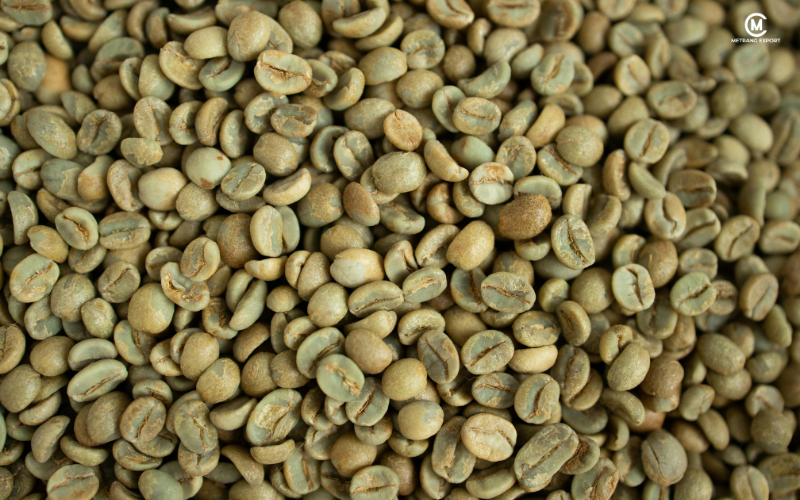
The historical inception of the first Vietnam coffee beans
Before blossoming into a multi-billion-dollar agricultural industry, Vietnam coffee beans began as experimental crops cultivated by missionaries.
The initial footsteps of Vietnam coffee beans in 1857
In 1857, French priest Alexandre Vallet introduced the first coffee plants to Vietnam. Initially tested in northern provinces like Ha Nam and Quang Tri, unfavorable weather hindered growth, meaning those early Vietnam coffee beans had yet to find their true home. The search for ideal terroir gradually shifted southward across multiple provinces. However, it was not until reaching the basaltic soil and high-altitude climate of the Central Highlands that the crop truly awakened. By 1888, the first commercial plantation was established in Tonkin, pioneering a new production era for Vietnam coffee beans.
The evolution from plantations to native cultivation zones
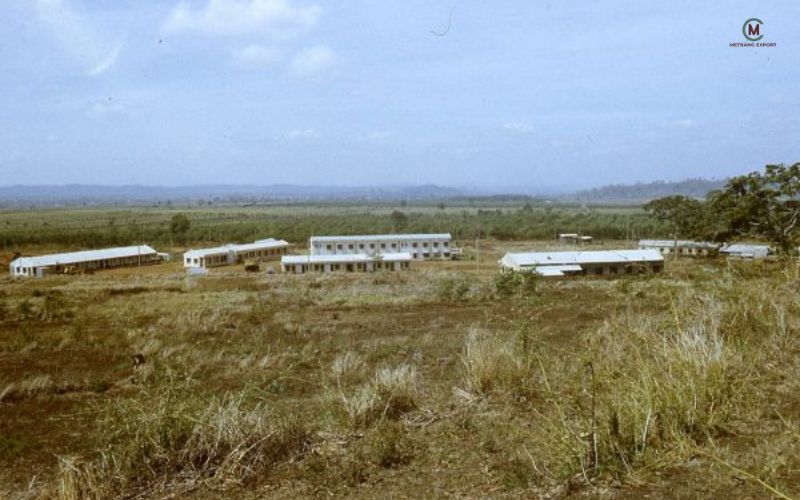
Initially, coffee was grown strictly for French economic interests, but the Arabica variety faced clear yield limits in tropical conditions. To overcome this, Robusta and Excelsa varieties were introduced in 1908. This marked a decisive turning point, as Robusta took deep root in the Central Highlands and became the soul of Vietnam coffee beans globally. Post-1975, plantations transitioned into state-owned farms. By 1975, Dak Lak’s cultivation area alone reached 8,600 hectares, yielding over 11,000 tons annually. Though not yet a spearhead export, the seeds for a global future of Vietnam coffee beans were officially sown.
The growth of Vietnam coffee beans deeply rooted in the Central Highlands
Upon this red basaltic plateau, Vietnam coffee beans did not merely grow; they found their true identity and the strength to step onto the global stage.
How the coffee capital of Buon Ma Thuot was formed
Buon Ma Thuot became the coffee capital not by administrative decree, but through a sublime favor from nature. The region possesses porous, mineral-rich basaltic soil alongside a distinct two-season climate of wet and dry. These ideal traits allow Robusta trees to thrive, yielding Vietnam coffee beans known for their bold, rich flavor.
Buon Ma Thuot’s modern title as the Robusta Capital of the World was written through a century-long journey of deep rooting. It evolved from French-era plantations, through state-owned farms, and finally through the dedication of hundreds of thousands of local farming families, who transformed the coffee tree into a livelihood and the pride of the highlands.
Growth milestones placing Vietnam coffee beans on the global map
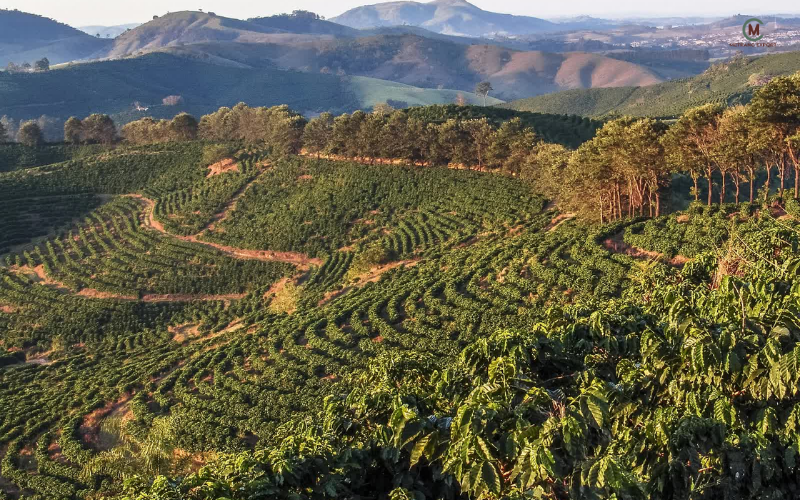
The industry’s ultimate turning point arrived in 1986, when Doi Moi economic reforms liberated cultivation and trade, making export a strategic objective. At the time, national coffee cultivation spanned a mere 50,000 hectares with an 18,400-ton output. That modest starting line triggered a spectacular acceleration for Vietnam coffee beans. Within just four decades, Vietnam coffee beans achieved an extraordinary global journey:
- Scale explosion: National cultivation areas rapidly expanded from 50,000 to over 700,000 hectares.
- Top-tier standing: Vietnam became the world’s second-largest coffee exporter, commanding a 19% to 21% global market share and holding absolute dominance in Robusta production.
- Record turnover: In 2025, export value hit a historic USD 8.92 billion, an impressive 58.78% growth over 2024, confirming the irresistible appeal of this agricultural treasure.
Cultural values born from Vietnam coffee beans
Vietnam coffee beans serve as the very foundation of a unique consumption culture, mindfully built and preserved by generations of Vietnamese people.
Vietnamese street coffee and its irreplicable identity
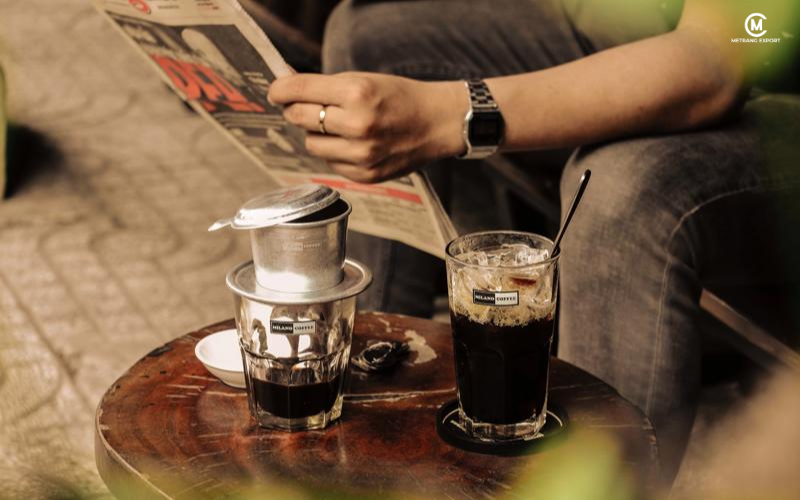
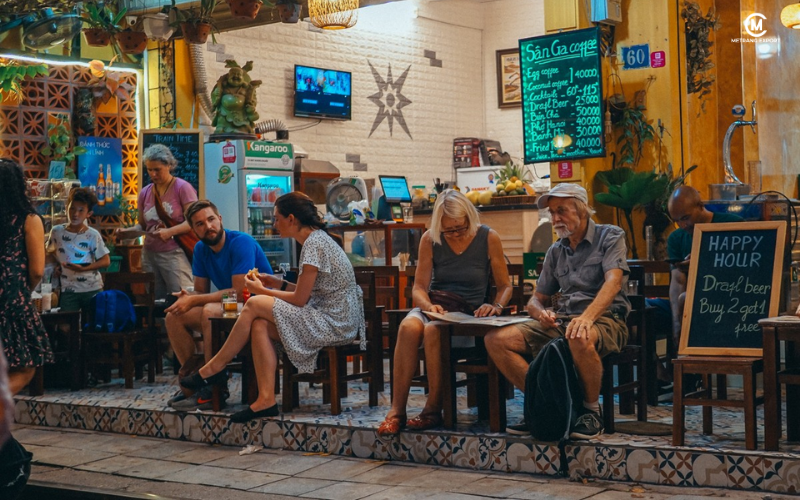
The French introduced coffee, but the Vietnamese reshaped it through a distinctive philosophy. The aluminum Phin filter, patiently dripping coffee over condensed milk, is not merely a brewing method; it is the art of slow living. This unique street culture thrives on simple elements, where plastic stools on street corners connect people from all walks of life. From Hanoi’s egg coffee to Saigon’s iced milk coffee, each beverage represents a creative celebration of Vietnam coffee beans. Far beyond a daily drink, this open-air ambiance has deeply merged with daily life, preserving everyday stories and the signature local art of savoring the present.
When Vietnam coffee beans enter the specialty wave
Shedding the stereotype that commercial Robusta is merely a cheap supply for mass industry, Vietnam coffee beans are undergoing a quiet yet powerful transition into the premium segment.
Through the adoption of modern processing methods, Vietnam coffee beans have found a new language to express their unique terroir and the artisan craftsmanship behind them:
- At the origins: Farmers focus closely on harvesting fully ripe cherries and elevating advanced, deep-processing techniques at the farm level.
- At the consumer touchpoints: Specialty coffee shops in Hanoi and Ho Chi Minh City proudly showcase Vietnam coffee beans as a premium experience, complete with transparent traceability and rich cultural narratives.
The global perception of Vietnam coffee beans
More than 160 years after the very first seeds were sown, how are Vietnam coffee beans currently perceived on the international stage?
From raw material to strategic global supply status
For a long time, Vietnam coffee beans, particularly the Robusta variety, were undervalued and pigeonholed into the raw material segment for instant coffee. However, this landscape is shifting dramatically thanks to quality improvements right from the roots. A prime testament occurred in 2024, when domestic Robusta prices surpassed Arabica for the first time in history, hitting 131,000 VND/kg. This serves as a clear signal that the international market is re-evaluating the true value of Vietnam’s agricultural treasure.
How does the world view Vietnam coffee beans now?
Vietnam coffee beans are standing at an exciting turning point: successfully shedding the cheap supply label and accelerating on the roadmap to establish a specialty segment on par with powerhouses like Ethiopia or Colombia.
- Markets willing to pay premium prices: Asian nations such as the Philippines, China, and Indonesia are increasing imports of Vietnam coffee beans at premium prices, ranging from 4,166 to 4,424 USD/ton during the 2024/25 crop year.
- A global cultural icon: British travel magazine Wanderlust ranked visiting the World Coffee Museum in Buon Ma Thuot among the top 17 must-try experiences when traveling to Vietnam.
- A fresh vision from international roasters: The specialty wave in Europe and the US is paying special attention to high-quality Vietnamese Robusta and single-origin Arabica, opening a promising new chapter for elevating the value of Vietnamese agriculture.
Conclusion
Over 160 years since the first seeds took root, Vietnam coffee beans have completed a spectacular global expedition. From an experimental churchyard crop, these beans have evolved into a strategic commodity across 80 countries, shedding the cheap label to earn well-deserved valuation from the international market.
At MeTrang Export, this heritage journey is deeply cherished. Each exported container of green coffee beans is far more than a commercial transaction; it is a mission to elevate Vietnam coffee beans internationally. Through a commitment to stable quality and transparent traceability from Buon Ma Thuot, MeTrang Export proudly serves as a reliable gateway to B2B partners across Asia, Europe, and the US. Contact us today to receive detailed inquiries and explore our premium portfolio!